MUNI × Japanese organic green tea
A century of organic, witnessed
From a century-old organic garden in Uji, Kyoto — where Japanese green tea began. One harvest a year, picked by hand, steamed within six hours. Every leaf carries six generations of respect for nature.
The Tea Garden
Where Japanese green tea began
Since 1858, six generations of organic practice
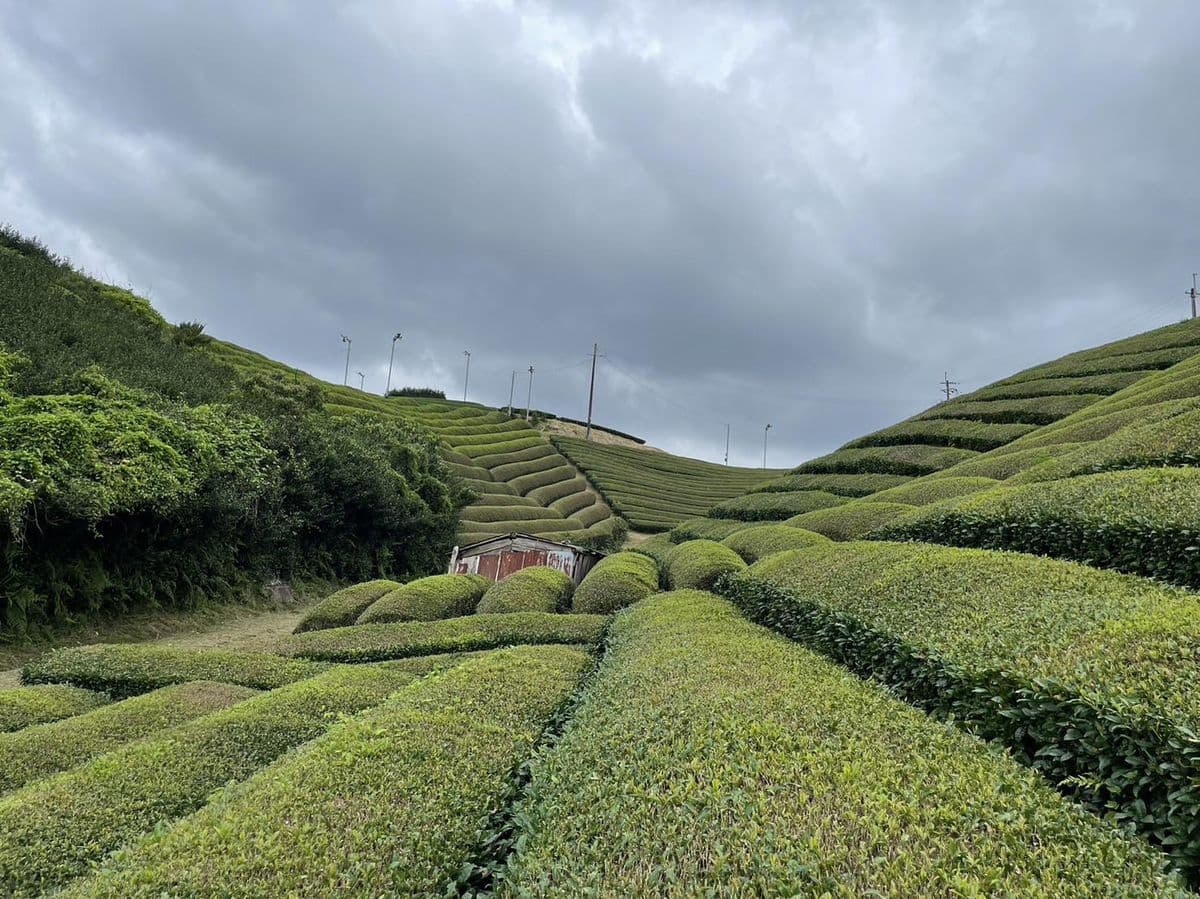
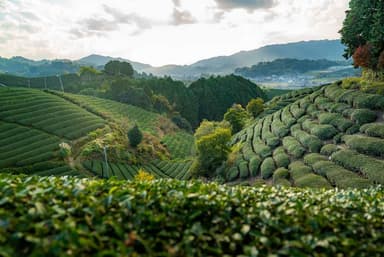
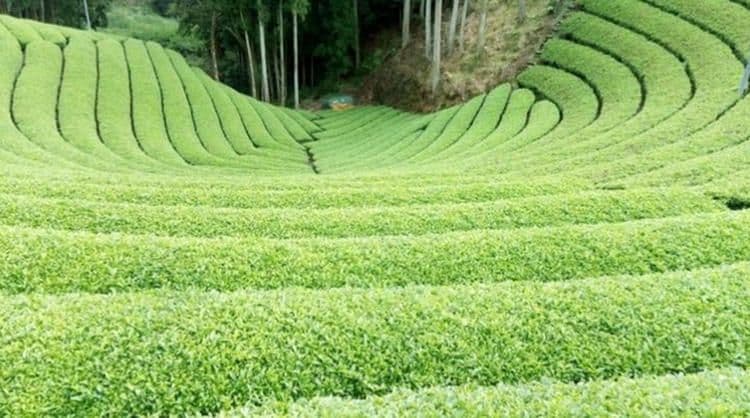
The garden sits in Ujitawara, in southern Kyoto Prefecture — the birthplace of Japanese green tea. In an undeveloped natural valley around 250 metres above sea level, a wide day-to-night temperature range, drifting mist, calcareous soil and fine water together produce some of the finest organic green tea in the world.
In 1972 the sixth-generation head of the family was poisoned by the pesticides he was spraying, and resolved from then on to grow organically. By 1982 the whole garden had converted, and for more than forty years no pesticide or chemical fertiliser has been used. That commitment to the land and to the people who drink the tea brought the fish back to the river and let the ecology recover.
In 1999 the Emperor and Empress visited and tasted the garden's organic tea. Organic JAS certification followed in 2001, then American and EU organic certification and GlobalG.A.P. — the strongest possible witness to a century of organic practice.
Heritage Timeline
A century of continuity
1858
The hillside is cleared and tea planting begins
1975
Turning to organic cultivation; pesticides stopped
1982
The whole garden completes its organic conversion
1999
The Emperor and Empress taste the garden's organic tea
2001
Organic JAS certification
2007
US organic certification
2009
EU organic certification
2022
GlobalG.A.P. certification
Our Teas
Four MUNI organic green teas
From morning stillness to settling before sleep, one of these teas will meet the frequency you're in.
Uji, Kyoto
Organic Uji matcha
Organic Uji Matcha
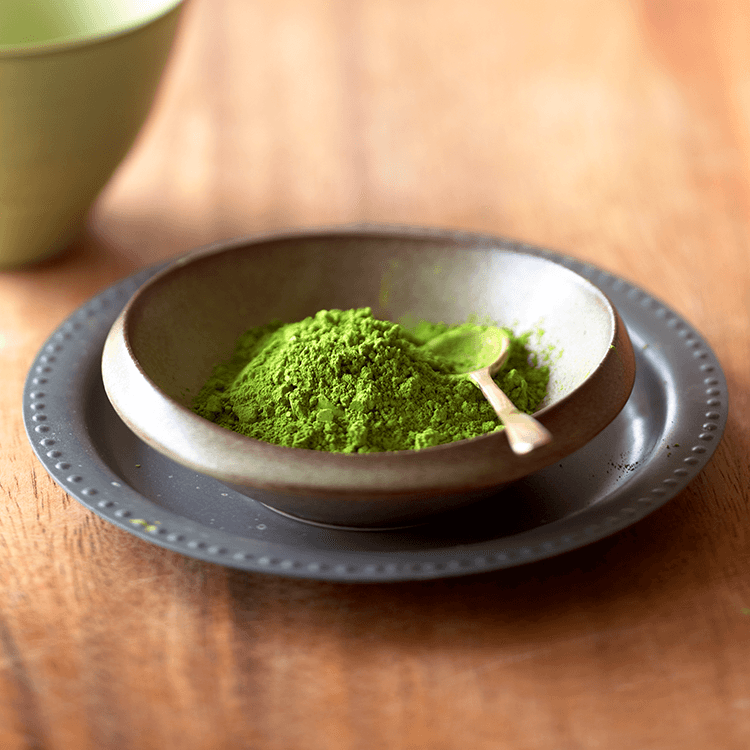
From Uji in Kyoto, where Japanese green tea began. The bushes are shaded for more than twenty days before picking, so the leaves accumulate more theanine and chlorophyll. Selected organic steamed leaf is ground slowly on traditional stone mills, keeping the nutrition and the deep green intact. Every bowl gathers a century of the spirit of the tea way.
Energetic character
Sweet and lingering, a note of nori, a creamy texture
MUNI ritual
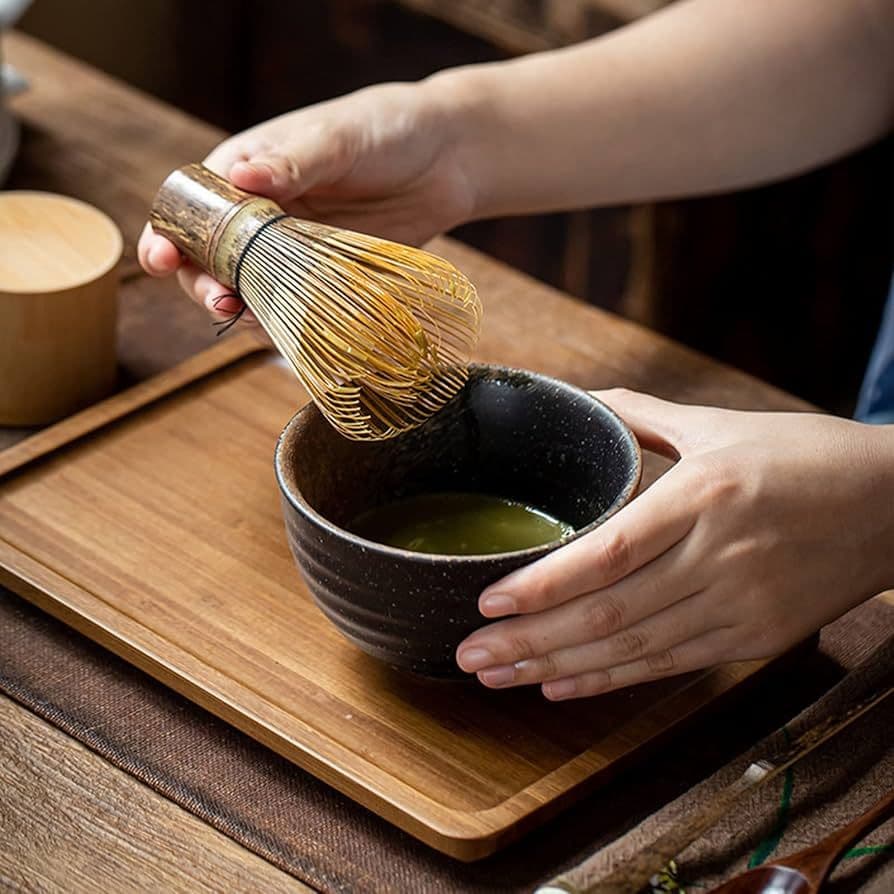
A morning practice — whisk to a fine foam and stay with the attention it asks for
Kagoshima
Organic gyokuro
Organic Gyokuro
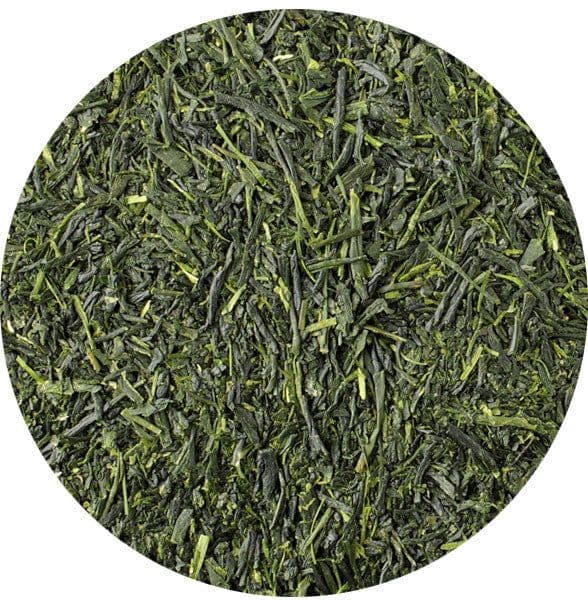
Gyokuro is the highest grade of Japanese green tea. Shaded for more than twenty days before picking, its theanine rises sharply and brings the distinctive ooika — a deep, sweet, seaweed-like aroma. Kagoshima's warm climate and volcanic soil give the leaf a rounder, fuller flavour.
Energetic character
Rich and sweet, a covered nori aroma, silky, with a long finish
MUNI ritual
An afternoon rest — brew at 50°C and feel its dew-like warmth
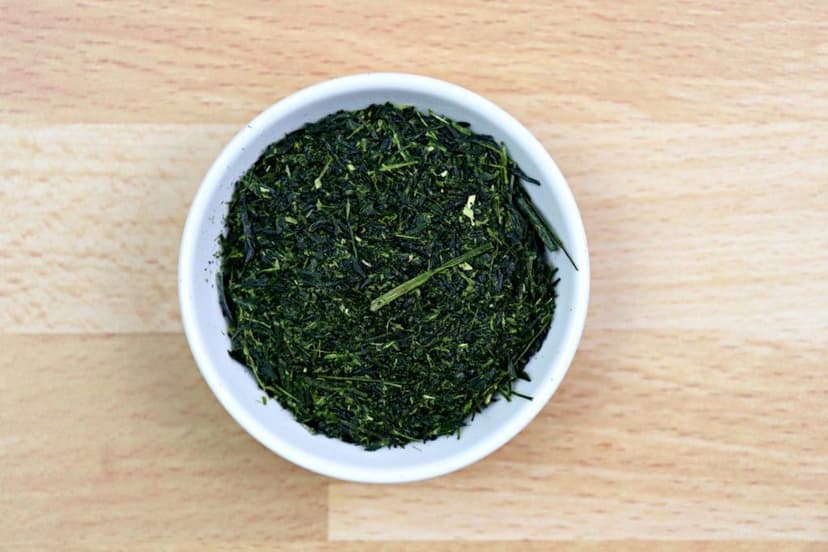
Kagoshima and Uji
Organic sencha
Organic Sencha
Sencha is Japan's most representative green tea, some 80% of the country's production. Organic leaf from the two great regions of Kagoshima and Uji grows in full sun and is steamed, rolled and dried in the traditional way. A clean herbal aroma with natural sweetness makes it the best choice for a daily tea ritual.
Energetic character
Clean and sweet, herbal, lightly astringent with a sweet return, bright green liquor
MUNI ritual
Everyday tea — brew at 70°C and feel the freshness of sun and earth
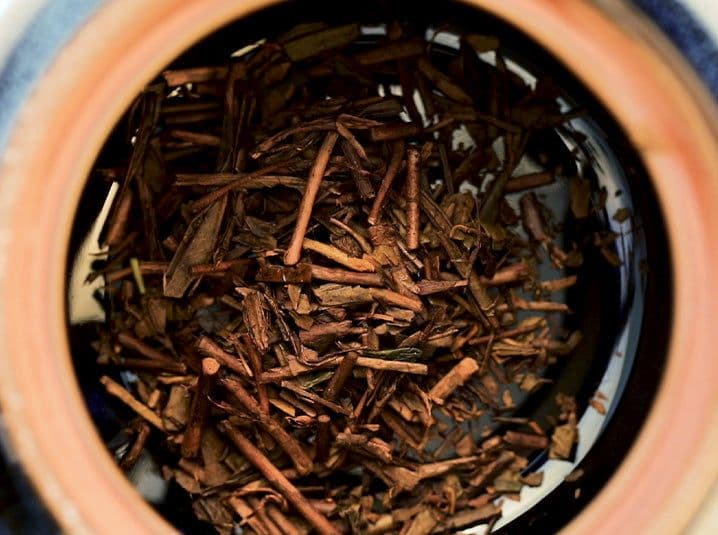
Uji, Kyoto
Organic hojicha
Organic Hojicha
Hojicha is green tea roasted at high temperature, which greatly lowers its caffeine and brings a distinctive toasted warmth. This organic hojicha from Uji is milled carefully in traditional iron mortars, richly aromatic without bitterness. Its very low caffeine makes it perfect for a settling ritual before sleep.
Energetic character
Toasted and warm, nutty and sweet, gentle, very low in caffeine
MUNI ritual
Settling before sleep — drink warm, with a scent meditation, into deep relaxation
Certifications
International organic certification
A full certification framework across Japan, the United States and the EU — the strongest recognition of a century of organic practice.
Organic JAS
Japanese Ministry of Agriculture organic certification
NOP
US organic certification
EU Organic
EU organic certification (ICEA)
GlobalG.A.P.
International agricultural production certification
FSSC 22000
Food safety management system certification
JONA
Japan Organic and Natural Foods Association
Energy Factors
Six factors behind the energy
From the garden to your bowl, every step guarantees the quality of the energy.
One harvest a year
The 88th night after the start of spring is the most precious moment in the Japanese tea year. Picked only once, every leaf holds the vitality gathered across the whole winter.
Picked by hand
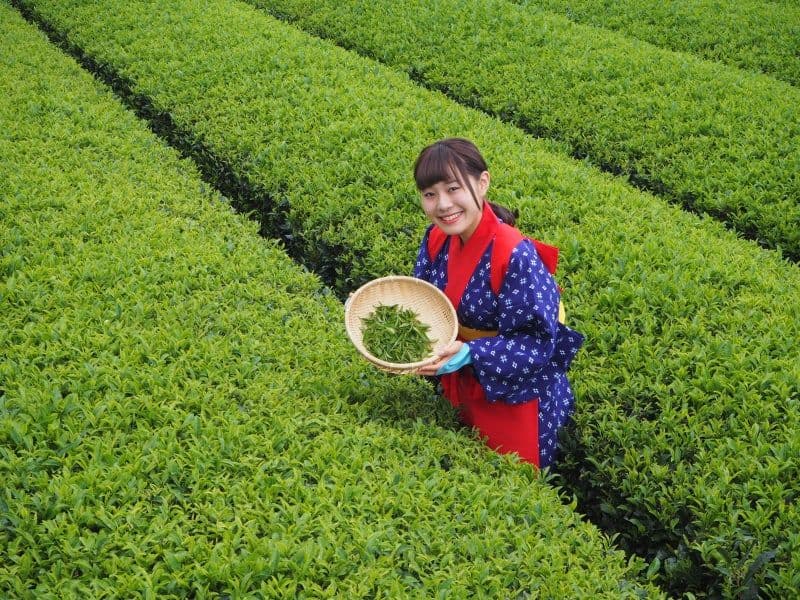
Traditional hand-picking of only the bud and two youngest leaves. Differences no machine can read are judged precisely between the growers' fingers, so every leaf reaches the highest grade.
Steamed within six hours
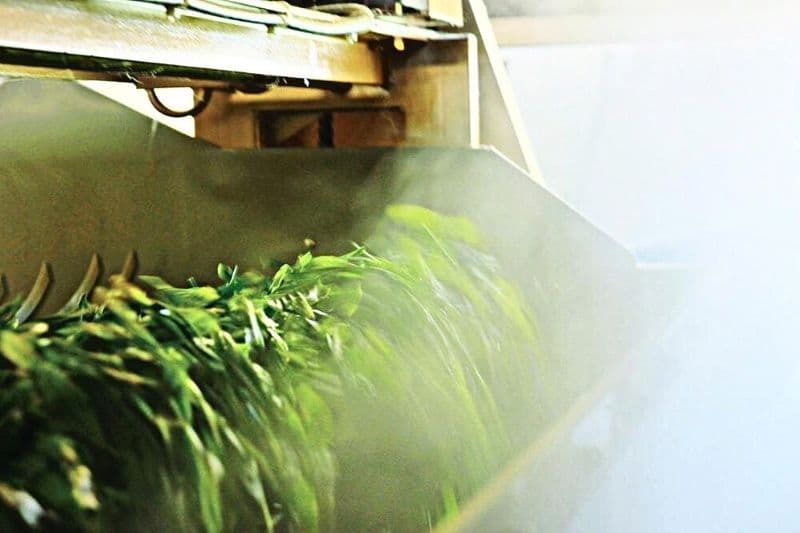
No more than six hours passes between picking and steaming. Steaming is the distinctive Japanese fixing method, halting oxidation instantly with hot vapour and preserving the leaf's theanine and catechins.
Uji × Kagoshima
Uji, where Japanese green tea began, in a misty valley 250 metres up; Kagoshima, warm and southern, on volcanic soil. Two great terroirs meeting give the leaf its layers and depth.
A century of organic
Tea has grown here since 1858 and organically since 1975 — more than 165 years of garden history. Six generations have used no pesticide or chemical fertiliser, only what nature provides.
MUNI frequency resonance
Every tea is tuned with MUNI Frequency Resonance™, so the alpha-wave frequency of theanine resonates deeply with your state of awareness.
Harvest & Process
Picking and making
From hand-picking in the garden to steaming in the factory, every step follows a century-old tradition, holding the leaf's vitality in the shortest possible time.
Resonance Matrix
Green tea × MUNI Scent pairings
Every tea can be paired with MUNI Scent, so the frequencies of drinking and smell resonate together and the ritual becomes complete.
| Green tea | MUNI Scent | Resonance | When to use it |
|---|---|---|---|
| Organic Uji matcha | MUNI Scent | Clear awareness · attention on now | Morning stillness, or the practice before meditation |
| Organic gyokuro | MUNI Scent | Deep nourishment · warm repair | An afternoon rest, or when nourishment is needed |
| Organic sencha | MUNI Scent | Settled ease · daily nourishment | A settling ritual inside the everyday cup |
| Organic hojicha | MUNI Scent | Steady rooting · settling into sleep | The evening ritual, or whenever you need to let go |
Want to know which tea suits where you are?
Tell the MUNI Healing Consultant how you are and what you need, and it will suggest the tea that fits you best.
Powered by
MUNI Frequency Resonance™
Every MUNI product is tuned with our own frequency resonance technology — the frequency carried into each molecule along with a single wish, that all things return to harmony. Frequency is the method, blessing is the intention; only together do they make MUNI whole.
About the technology